

This year has seen many developments and products in HVAC, Automation, and Building Management. ACS (Automated Control Solutions) showcased ground-breaking solutions, highlighting sustainability, energy efficiency, and enhanced occupant safety. The following is a comprehensive summary of our 2024 updates, structured by month.
January: HVAC Trends and Opportunities
ACS opened the year by exploring the direction of the HVAC industry and new developments and products in HVAC. The focus was on the integration of artificial intelligence and IoT, which have reshaped predictive maintenance and system efficiency. AI-powered tools now offer unprecedented precision in diagnostics and energy optimisation. Additionally, renewable energy sources, such as geothermal and solar, have gained traction, making HVAC systems more environmentally friendly and cost-effective. The shift toward data-driven insights has empowered building managers to enhance occupant comfort while achieving sustainability goals.
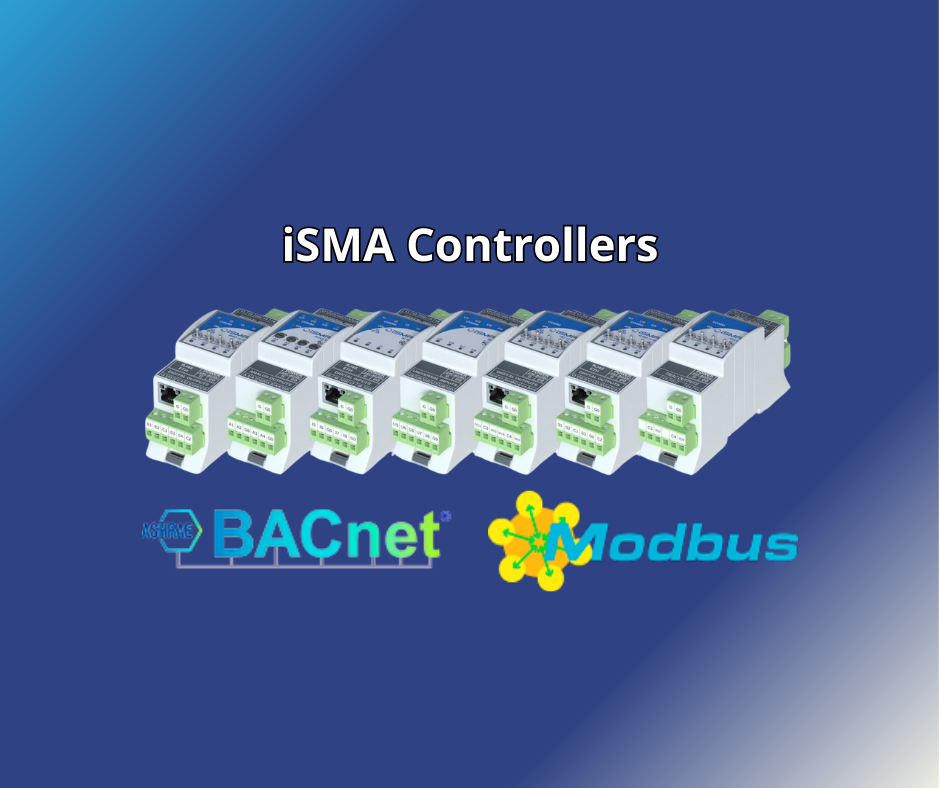
February: iSMA Controlli Controllers Redefine Automation
In February, ACS highlighted the revolutionary features of iSMA Controlli controllers. These devices bring modular designs and intuitive user interfaces, catering to the needs of modern automation systems. Their scalability makes them suitable for various applications, from compact office setups to large industrial facilities. The controllers excel in energy management, offering seamless integration with existing systems. This innovation underscores the industry’s move towards flexible, future-proof solutions.
March: The Benefits of Modern Building Management Systems
Building Management Systems (BMS) took centre stage in March. ACS outlined how BMS transforms modern office environments by integrating HVAC, lighting, and security systems under a single platform. These systems allow real-time adjustments, reducing energy waste and improving occupant comfort. With IoT connectivity, BMS enables predictive maintenance and detailed analytics, contributing to operational savings and a smaller carbon footprint. Smart offices equipped with BMS are now a cornerstone of sustainable urban infrastructure.
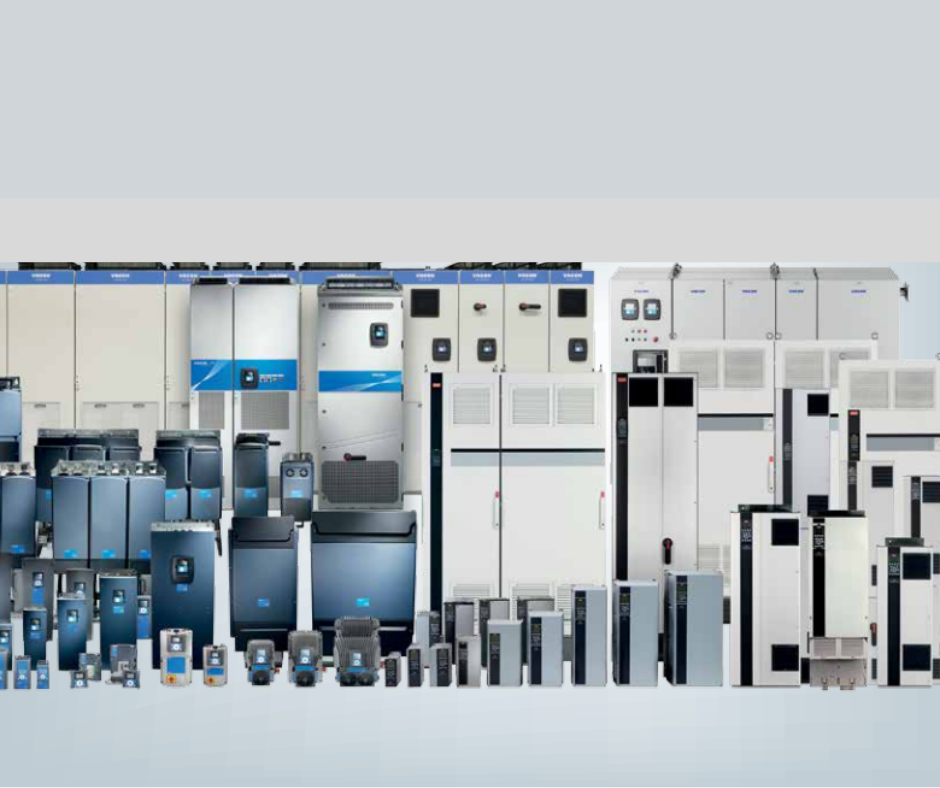
April: Energy Efficiency with Danfoss Variable Speed Drives
April focused on energy optimisation, with ACS spotlighting Danfoss Variable Speed Drives (VSDs). These drives adjust motor speeds to match load demands, drastically cutting power consumption. Ideal for HVAC systems, VSDs reduce wear on equipment while offering precise control over pumps and fans. This technology aligns with global energy standards, helping building managers lower costs and achieve their sustainability targets.
May: An Overview of the Tridium Niagara Cloud Suite
May saw the introduction of the Tridium Niagara Cloud Suite, a cloud-based platform revolutionising building management. By centralising data and providing remote access, this system simplifies operations and enhances reliability. The suite supports multi-site management, enabling users to oversee various facilities from a single dashboard. ACS praised its role in streamlining complex building operations, particularly for large organisations.
June: Carbon Monoxide Awareness
In June, ACS addressed the dangers of carbon monoxide (CO), emphasising the importance of advanced detection systems. CO, often called the “invisible killer,” poses serious risks to occupants. New-generation CO detectors offer enhanced sensitivity and reliability, ensuring faster response times in emergencies. ACS stressed the importance of regular system checks and proper ventilation in mitigating these risks, particularly in residential and commercial settings.
July: Tosibox Networks for Secure Connectivity
July featured Tosibox Networks, a secure and efficient solution for remote system management. Tosibox offers robust encryption and a plug-and-play setup, making it an essential tool for distributed facilities. Its scalability ensures reliable data transfer and system control, even across multiple locations. ACS highlighted Tosibox as a crucial step in modernising and securing building management infrastructure.
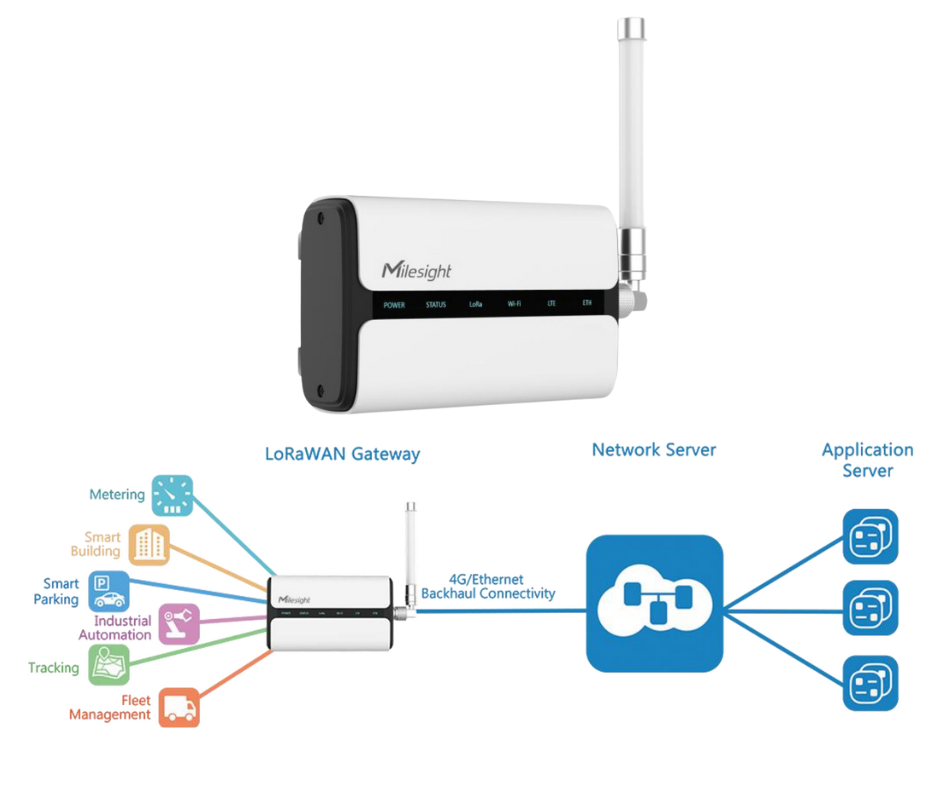
August: Improving Indoor Air Quality with Milesight and LoRaWAN
Indoor air quality (IAQ) remained a priority in August, with ACS introducing Milesight IoT products integrated with LoRaWAN technology. These devices provide real-time monitoring of air quality parameters, such as CO2 levels, humidity, and temperature. By identifying and addressing IAQ issues promptly, these innovations support healthier indoor environments. ACS highlighted the growing importance of IAQ in post-pandemic building designs.
September: Condition Monitoring for Building Systems
In September, ACS explored condition monitoring technologies for HVAC and building systems. These tools use advanced sensors and analytics to predict maintenance needs, preventing costly failures. From vibration analysis to thermal imaging, condition monitoring extends equipment lifespan and improves system efficiency. ACS positioned this technology as a cornerstone of proactive maintenance strategies.
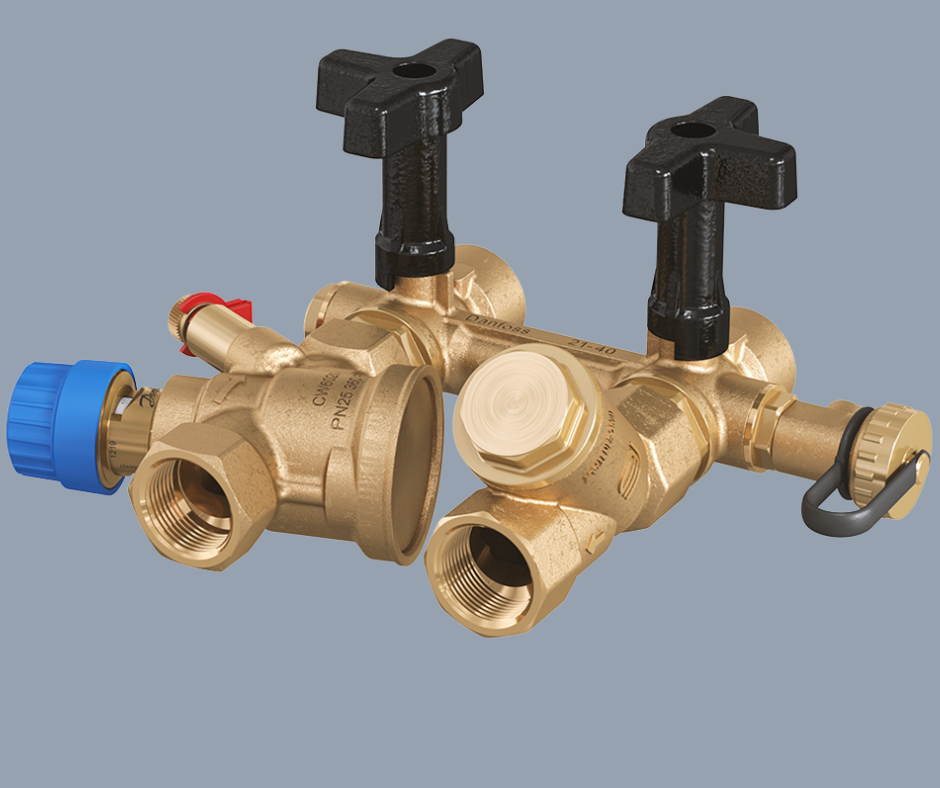
October: Hydronic Balancing in HVAC Systems
October’s focus was on hydronic balancing, a technique ensuring optimal water flow in HVAC systems. ACS detailed the benefits of Pressure Independent Control Valves (PICVs), which maintain consistent system performance despite fluctuating pressures. Proper hydronic balancing reduces energy waste and enhances comfort by evenly distributing heating and cooling. This method is particularly valuable for large buildings with complex HVAC networks.
November: Industry Trends Driving the Future
November wrapped up the year by revisiting key trends in HVAC and building management. Artificial intelligence, IoT integration, and renewable energy solutions dominated the conversation. ACS highlighted the role of advanced analytics in fine-tuning operations and improving energy efficiency. With the rise of smart buildings, the industry is set to meet the challenges of urbanisation and climate change head-on.
2024 has been a pivotal year for HVAC and building management with ACS showcasing developments and products in HVAC. ACS’s focus on innovation and sustainability reflects broader industry goals of enhancing efficiency, safety, and environmental responsibility. From ground-breaking automation controllers to advanced IAQ solutions, these technologies represent a significant leap forward. As the sector evolves, these trends will continue shaping the future of our built environments and ACS will continue to keep abreast of trends, new technologies and products to ensure that our clients have access to the best in class products for their projects.
For further details, explore the ACS news page.