

Danfoss NovoCon digital actuators are specifically designed for modern HVAC systems that demand precise control, efficient energy use and reliable communication. As buildings become smarter, mechanical equipment must also evolve. Digital actuators now play a central role in this transition. They provide accurate valve control, real-time feedback and seamless integration with building management systems.
The NovoCon S, M, L and XL ranges support advanced hydronic systems across commercial buildings. These actuators combine intelligent electronics with pressure independent balancing and control valves. Consequently, they improve system efficiency and occupant comfort.
Danfoss developed the NovoCon range specifically for modern hydronic applications. The actuators support communication protocols such as BACnet MS/TP and Modbus RTU. Therefore, engineers can integrate them directly into sophisticated building automation systems.
What Are Danfoss NovoCon Digital Actuators?
The Danfoss NovoCon series consists of digital actuators designed for use with pressure independent balancing and control valves, often known as PICVs. These actuators regulate water flow within heating and cooling systems. At the same time, they provide continuous operational data to the building management platform.
Each actuator range supports different valve sizes and flow capacities. The NovoCon S suits smaller terminal units and fan coil systems. Meanwhile, the NovoCon M and L models support larger commercial circuits. The NovoCon XL range handles extremely high flow rates in demanding HVAC installations.
Unlike traditional analogue actuators, NovoCon units communicate digitally. As a result, operators receive detailed information about valve position, flow rate and system alarms. This intelligence improves maintenance planning and operational efficiency.
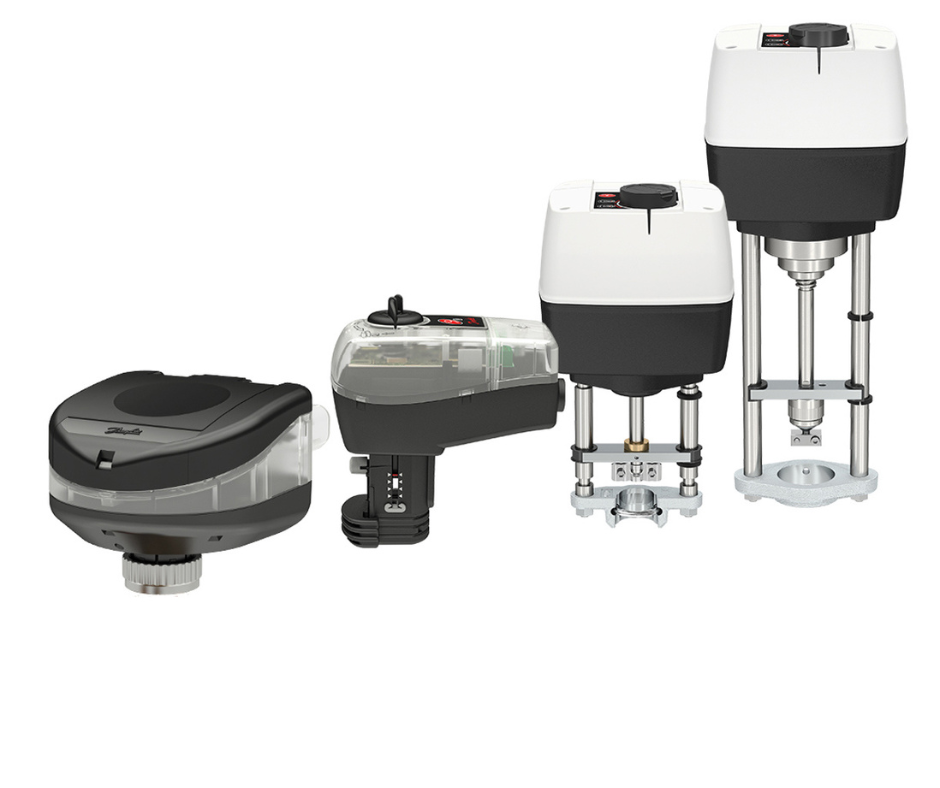
NovoCon S Range
The NovoCon S range targets smaller HVAC applications. Typical installations include fan coil units, chilled beams and compact air handling systems. These actuators operate with Danfoss AB-QM pressure independent balancing and control valves.
The NovoCon S actuator offers precise modulation control. Consequently, the system can maintain accurate room temperatures with minimal energy waste. The actuator continuously adjusts valve position according to changing demand conditions.
Digital communication represents another major advantage. The actuator exchanges information with the building management system in real time. Therefore, facility managers can monitor performance remotely and identify faults quickly.
The compact design also simplifies installation. Engineers can fit the actuator into restricted ceiling voids or plant spaces without difficulty. In addition, commissioning times reduce significantly because the actuator supports automatic addressing and configuration.
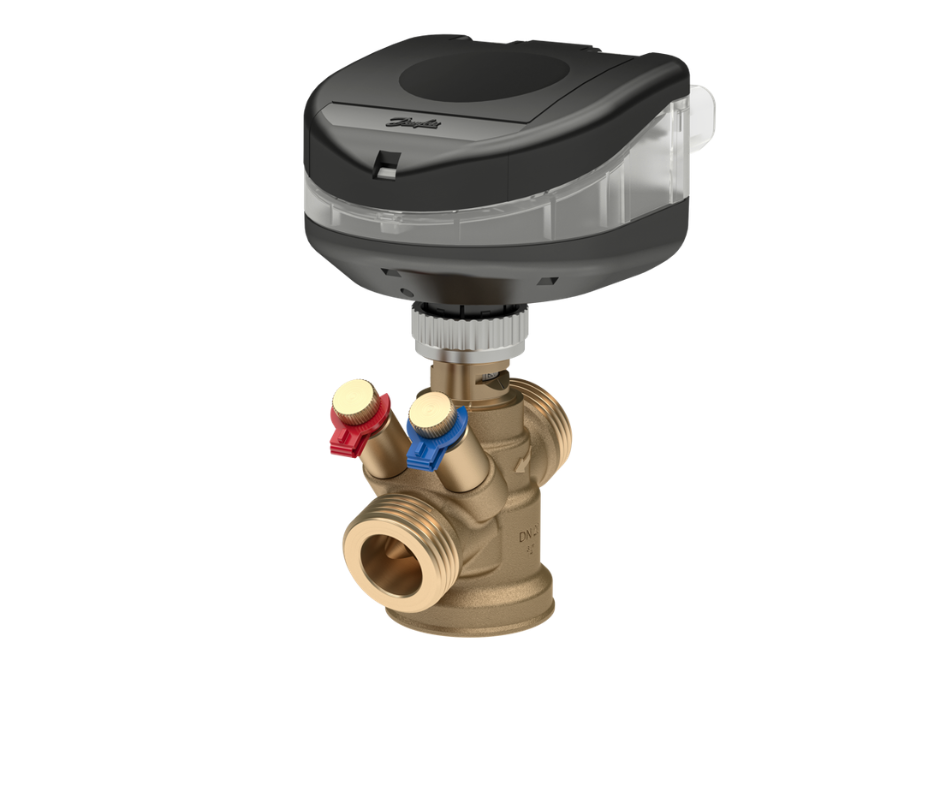
Applications of NovoCon M and L Actuators
The NovoCon M and L ranges support medium and large hydronic systems. These actuators commonly appear in office developments, hospitals, universities and large retail buildings. They manage greater flow capacities while maintaining precise control performance.
The NovoCon M range works effectively in medium-sized air handling units and branch circuits. Meanwhile, the NovoCon L range supports larger distribution networks and central plant applications. Both models maintain stable flow regulation under varying pressure conditions.
This stability remains essential within complex HVAC systems. Without accurate balancing, some areas receive excessive flow while others experience poor temperature control. However, NovoCon actuators maintain designed flow rates consistently across the network.
The actuators also improve energy performance. Pumps operate more efficiently because the hydronic system remains balanced during changing load conditions. Consequently, building operators can reduce electrical consumption and lower operational costs.
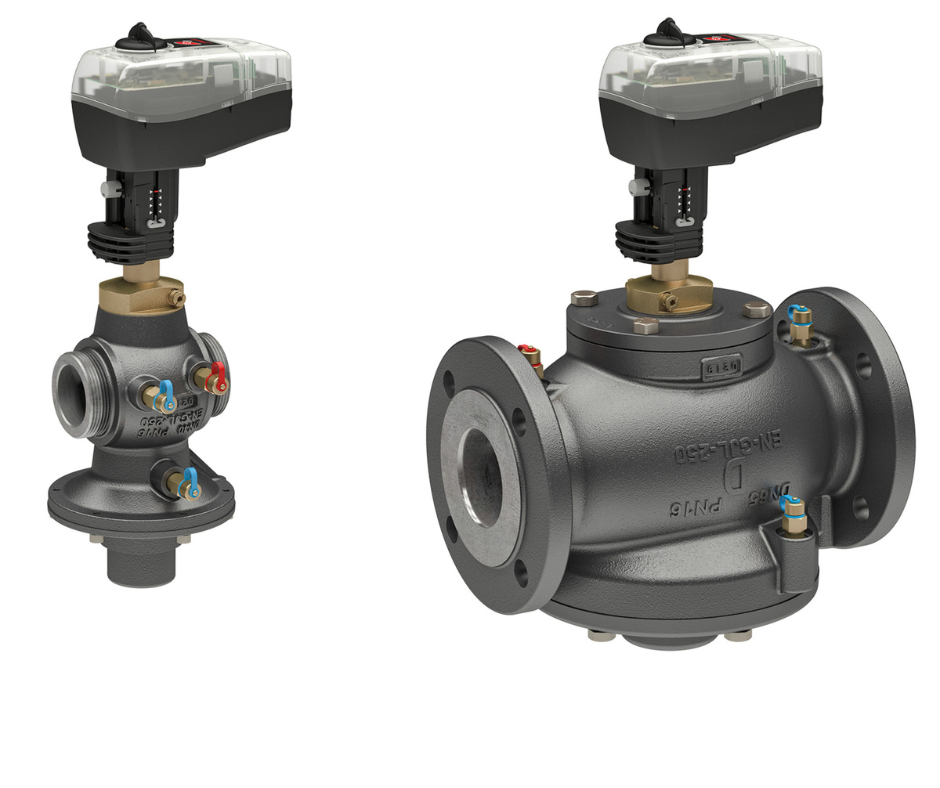
The Role of NovoCon XL in Large Buildings
Large commercial developments require robust flow management solutions. The NovoCon XL range addresses these demanding applications. These actuators support large PICVs used within district energy systems, major plant rooms and high-capacity air handling equipment.
The XL range delivers high torque performance and advanced control accuracy. Therefore, it can regulate substantial water volumes without sacrificing precision. This capability proves critical in data centres, airports and large healthcare facilities.
Furthermore, the actuator supports continuous data monitoring. Operators can review valve performance, detect irregular flow conditions and optimise system operation remotely. This level of visibility improves fault diagnosis and preventative maintenance strategies.
The NovoCon XL range also supports scalable building management integration. As a result, engineers can connect multiple devices across extensive HVAC networks without compromising communication reliability.
How Digital Actuators Function
Digital actuators convert electronic control signals into precise mechanical movement. Within a hydronic system, the actuator adjusts valve position to regulate water flow through the circuit.
The building management system sends commands according to temperature demand, occupancy levels or energy strategies. The actuator then responds immediately by repositioning the valve stem. Consequently, the system delivers the exact flow rate required.
NovoCon actuators contain integrated microprocessors and communication modules. These components allow constant data exchange between field devices and supervisory controls. In addition, the actuators provide valuable operational feedback.
Traditional actuators often rely on simple analogue signals. By contrast, digital actuators support two-way communication. Therefore, engineers can verify actual valve position, monitor alarms and confirm commissioning parameters remotely.
The actuators also support automatic calibration. During start-up, the device identifies valve travel limits and optimises movement accuracy. This feature reduces commissioning errors and improves long-term reliability.
Integration with Building Management Systems
Building management systems rely on accurate field data and responsive equipment control. The NovoCon range supports this requirement through native digital communication protocols.
BACnet and Modbus connectivity allow seamless integration with modern automation platforms. Consequently, operators can manage HVAC performance through a central interface. This integration improves operational visibility across the entire building.
Facility managers can also create advanced energy strategies. For example, the building management system may reduce flow rates during low occupancy periods. The actuators then respond automatically to maintain efficient operation.
Alarm management represents another important advantage. If abnormal flow conditions occur, the actuator transmits diagnostic information immediately. Therefore, maintenance teams can respond before comfort complaints or equipment damage arise.
The data generated by NovoCon actuators also supports performance analytics. Engineers can identify inefficient circuits, incorrect balancing or unstable operating conditions more easily.
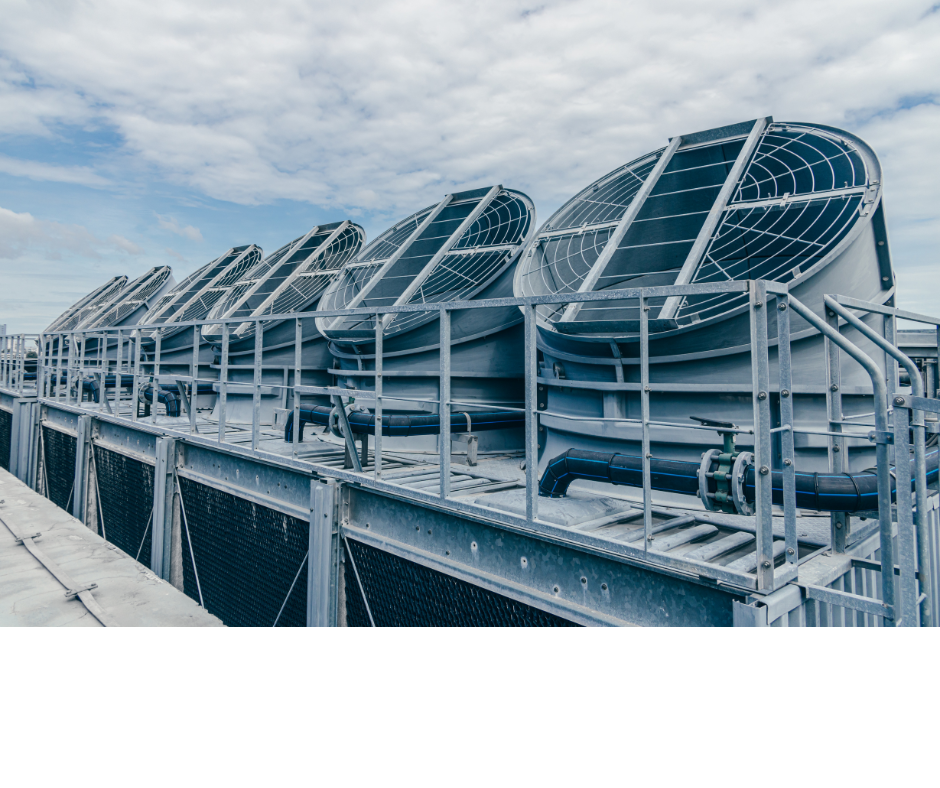
Why Digital Actuators Are Essential for Hydronic Balancing
Hydronic balancing ensures that every part of an HVAC system receives the correct water flow. Without balancing, systems become inefficient, unstable and difficult to control. Some zones may overheat while others remain too cold.
Digital actuators play an indispensable role in modern hydronic balancing. The NovoCon range works directly with pressure independent balancing and control valves to maintain accurate flow rates automatically.
Traditional balancing methods often require manual valve adjustments. However, operating conditions change constantly within commercial buildings. Occupancy levels, external temperatures and cooling load all influence system demand.
NovoCon actuators respond dynamically to these changes. They maintain stable flow conditions regardless of pressure fluctuations elsewhere in the network. Consequently, the entire HVAC system operates more efficiently.
Hydronic balancing also reduces pump energy consumption. When flow rates remain controlled, pumps avoid unnecessary workload and excessive differential pressure. Therefore, building operators achieve significant energy savings.
Furthermore, accurate balancing improves occupant comfort. Spaces maintain consistent temperatures because each circuit receives the intended flow volume. This stability enhances user satisfaction and supports productive working environments.
Digital balancing solutions also simplify commissioning. Engineers can verify performance data directly through the building management interface. As a result, commissioning becomes faster and more accurate.
The Danfoss NovoCon S, M, L and XL actuator ranges represent a major advancement in HVAC control technology. These digital actuators combine intelligent communication, accurate flow regulation and seamless building integration.
Each actuator range addresses different system sizes and operational requirements. Together, they support efficient control across modern commercial buildings. Moreover, they deliver essential benefits for hydronic balancing and long-term energy performance.
As building standards continue to evolve, intelligent hydronic control will become even more important. Digital actuators already provide the precision, connectivity and efficiency required for advanced HVAC systems. Consequently, the NovoCon range remains a valuable solution for engineers, contractors and facility managers alike.
As HVAC continues to evolve, Automated Control Solutions (ACS) will continue to partner with best-in-class companies to keep our customers abreast of new developments and ensure that they have access to the latest, best-in-class equipment for their HVAC projects. Contact us to find out what we can do for you.