

Edge Intelligence has dramatically changed Building automation during the past decade. Traditional Building Management Systems (BMS) relied on central controllers for decision-making. Sensors supplied data, and actuators responded to commands. Most field devices offered little processing capability.
Today, that model is changing. Advances in electronics and communications have moved intelligence closer to the equipment itself. Consequently, sensors, actuators and valves now perform tasks that once required dedicated controllers.
This shift is driving the rise of edge intelligence in HVAC and building automation.
Rather than sending every data point to a central platform, intelligent devices process information locally. As a result, buildings respond faster and operate more efficiently.
Understanding Edge Intelligence
What Is Edge Intelligence?
Edge intelligence describes data processing that occurs within field devices. Instead of passing raw values to a controller, the device performs analysis at the source.
For example, a conventional temperature sensor reports a measured value. A smart sensor can also assess trends, monitor performance and identify faults.
Therefore, decisions happen much closer to the equipment being controlled.
Why It Matters
Modern buildings generate vast amounts of operational data. HVAC systems, lighting controls and energy meters all contribute information continuously.
However, central systems do not need every data point immediately. Intelligent devices filter and analyse information before transmission.
Consequently, network traffic decreases and system responsiveness improves.
Furthermore, local processing reduces delays. This allows equipment to react more quickly to changing conditions.
The Evolution of Smart Sensors
Moving Beyond Simple Measurement
Traditional HVAC sensors served one primary purpose. They measured environmental conditions and transmitted the results.
Today, smart sensors provide much greater functionality.
Many devices now include onboard processors and diagnostic capabilities. They monitor temperature, humidity or pressure while assessing their own operating condition.
As a result, facility managers receive more meaningful information.
For example, a humidity transmitter can identify calibration drift before measurement accuracy suffers. Similarly, a pressure transmitter can report communication faults or abnormal operating conditions.
Therefore, maintenance teams can intervene before performance declines.
Better Data Quality
Accurate control depends on accurate measurement.
Digital sensors reduce many issues associated with analogue signals. Furthermore, digital communications improve data integrity across large installations.
Consequently, operators gain greater confidence in building performance data.
This improved accuracy supports optimisation programmes and energy-saving initiatives.

Intelligent Actuators Transform HVAC Control
More Than Mechanical Devices
Actuators once functioned as simple positioning devices. Their role focused on opening dampers or regulating valves.
Modern actuators provide far more capability.
Many continuously monitor operating torque, travel time and position accuracy. Additionally, they communicate status information directly to the BMS.
As a result, building operators gain valuable insight into equipment performance.
Supporting Predictive Maintenance
Predictive maintenance represents a major advantage of edge intelligence.
Traditionally, maintenance teams responded after equipment failed. However, intelligent actuators can identify developing problems much earlier.
For example, increasing torque may indicate a sticking damper or mechanical obstruction. The actuator can report the issue immediately.
Consequently, maintenance teams can plan corrective action before a breakdown occurs.
This approach reduces downtime and improves reliability.
Digital Valves and Hydronic Systems
Smarter Water Distribution
Hydronic HVAC systems depend on precise flow control. Traditional balancing methods often require extensive commissioning effort.
Digital control valves simplify this process.
These devices monitor flow rates and valve positions continuously. Furthermore, many models communicate through BACnet or Modbus networks.
As a result, operators gain real-time visibility of system performance.
Improving Energy Efficiency
Building owners continue to focus on reducing energy consumption.
Intelligent valves support this objective by providing accurate operational data. Consequently, operators can identify inefficiencies more quickly.
Better flow control often reduces pumping energy and improves overall thermal performance.
Therefore, digital valves play an increasingly important role in modern HVAC systems.
Open Protocols Accelerate Adoption
BACnet and Modbus Enable Connected Buildings
Open communication standards have accelerated the growth of intelligent field devices.
Protocols such as BACnet and Modbus enable direct communication between devices and supervisory systems. Therefore, engineers can integrate equipment from multiple manufacturers more easily.
This flexibility delivers significant advantages during both design and operation.
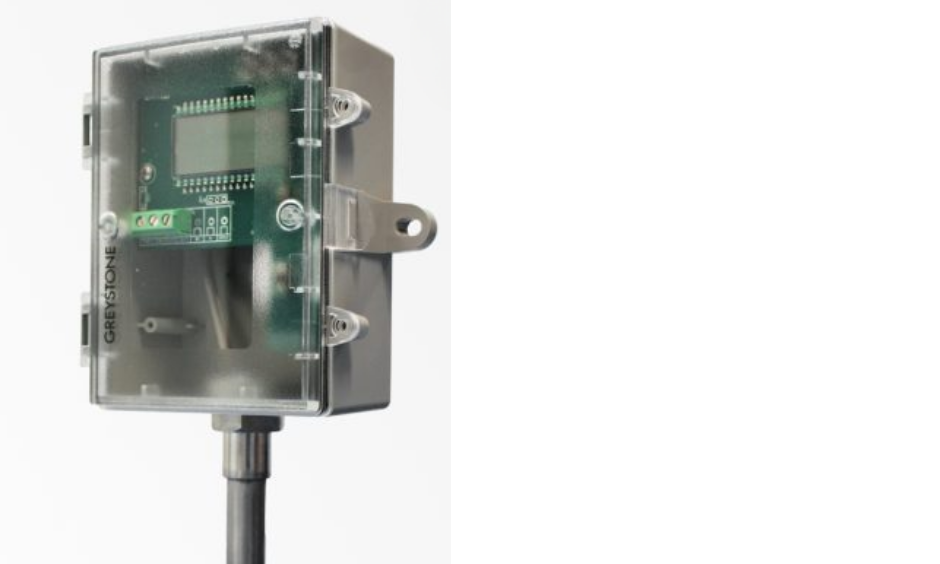
Supporting System Integration
Modern buildings contain numerous interconnected systems. HVAC, lighting, metering and indoor air quality platforms often operate together.
Consequently, integration has become a key requirement.
Edge devices support integration by sharing information directly across the network. As a result, operators gain a clearer view of building performance.
Faster Fault Detection and Diagnostics
Turning Data Into Action
Fault detection offers another important benefit.
Traditionally, operators discovered many issues only after occupant complaints appeared. However, intelligent devices can identify abnormal conditions automatically.
For example, a smart sensor can detect communication failures, calibration drift or unexpected environmental changes.
The device can then alert the BMS immediately.
Consequently, maintenance teams respond more quickly and more effectively.
Reducing Downtime
Rapid fault identification improves operational continuity.
Furthermore, technicians receive detailed diagnostic information before arriving on site. This reduces troubleshooting time and speeds up repairs.
As a result, buildings experience fewer disruptions.
Supporting the Smart Building Revolution
Enabling Better Decisions
Smart buildings require more than data collection. They need actionable information.
Edge intelligence provides that capability. Intelligent devices analyse local conditions continuously and deliver meaningful operational insights.
Therefore, facility managers can make better decisions.
Furthermore, accurate information supports sustainability and energy management objectives.
Preparing for Future Requirements
The demand for intelligent buildings continues to increase. Occupants expect greater comfort and healthier indoor environments.
Meanwhile, organisations face increasing pressure to improve efficiency and reduce operating costs.
Edge intelligence helps address these challenges. Consequently, it is becoming a fundamental component of modern building automation.
Conclusion
Edge intelligence is reshaping HVAC and building automation. Processing power is moving away from central controllers and into field devices.
Consequently, sensors, actuators and valves now provide far more than measurement and control.
These devices deliver faster responses, better diagnostics and greater operational visibility. Furthermore, they support predictive maintenance and energy optimisation.
As buildings become smarter, the importance of edge intelligence will continue to grow. Ultimately, networks of intelligent field devices will help create more efficient, reliable and responsive buildings.
Automated Control Solutions (ACS) has teamed up with the most cutting-edge HVAC component manufacturers in the world to ensure that our clients have access to advanced technologies for their HVAC and Automation projects. Contact us to find out how we can assist you.