

HVAC efficiency has improved dramatically in the last fifty years. In 1975, most HVAC plants ran at constant speed. Controls were crude and local. Efficiency metrics were rarely discussed outside design teams. Since then, performance has improved dramatically. Standards tightened. Electronics got cheap. Software became central. As a result, buildings now deliver comfort with far less energy. Costs to operate have also fallen, especially where controls are smart. The story blends engineering, policy, and markets. It also ends with data that keeps improving.
Main drivers to efficiency improvement
Regulation and labelling
Originally, regulation moved the market. Minimum performance standards rose stepwise over decades. Labels like SEER (Seasonal Energy Efficiency Ratio) and EER (Energy Efficiency Ratio) made efficiency visible to buyers.
Manufacturers responded with better compressors and heat exchangers. Policy changes in 1992, 2006, 2015, and 2023 show this arc. Each step nudged average efficiency upward. Consequently, whole-life costs dropped in many climates.
Technology scale and electronics
Power electronics became cheap and reliable.
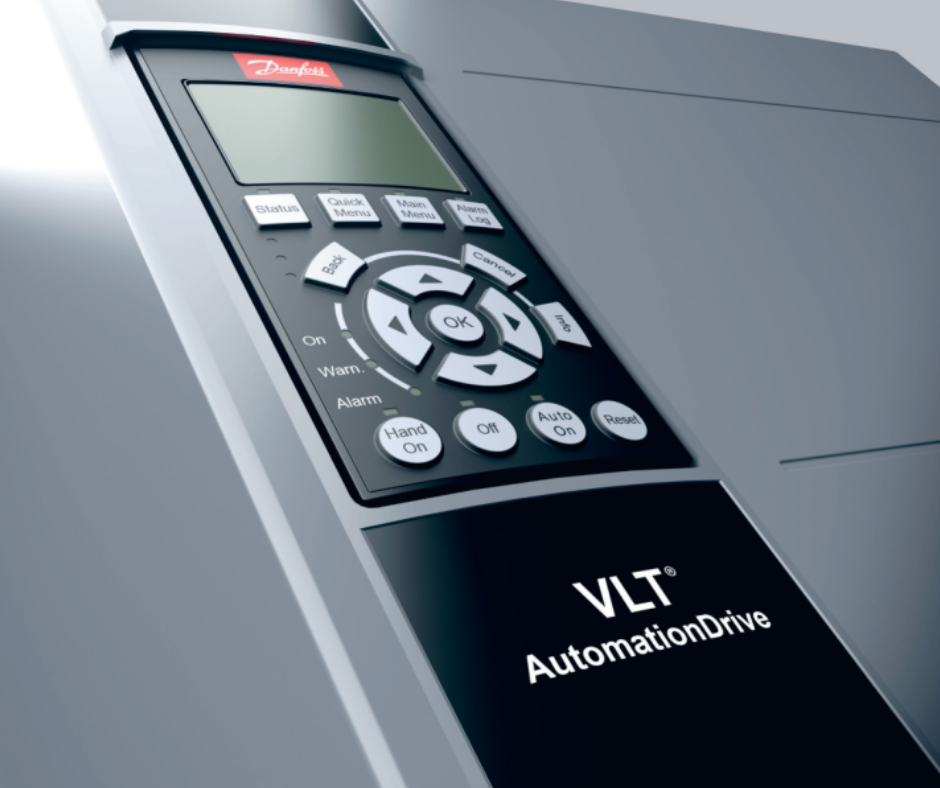
Variable frequency drives (VFDs) moved from niche to mainstream. Fan and pump power drops approximately with the cube of speed reduction, therefore, trimming speed at part load yields outsized savings. Drive costs fell with volume and motor and bearing designs improved.
These shifts unlocked large reductions in auxiliary energy.
Data, software, and integration
Controls left the plant room and went enterprise wide.
Building management systems (BMS) gathered data and fault detection and analytics followed. Schedules, setpoints, and optimisation became continuous. Importantly, savings persisted after commissioning. Studies report sustained double-digit energy cuts with good BMS practice. This is especially true when linked to metering.
Internal equipment changes
Compressors and refrigerant circuits
Scroll and screw compressors improved significantly and variable-speed inverters matched capacity to load. Oil management and tighter tolerances raised isentropic efficiency. Multi-circuit chillers spread load for higher part-load COP (Coefficient of Performance). Microchannel condensers cut approach temperatures. Each feature shaved kilowatts.
In heating, inverter heat pumps extended seasonal performance. That boosted SCOP (Seasonal Coefficient of Performance) in milder air-source applications.
Heat exchangers and system temperatures
Better fin geometries and enhanced tubes increased heat transfer. Designers reduced lift by optimising water and air temperatures. Consequently, chillers worked less for the same cooling.
Condensing boilers replaced many atmospheric models. Even better, heat pumps began to displace combustion. Each move lowered delivered energy per square metre.
Fans, pumps, and VFDs
Fans and pumps no longer throttle against fixed resistances. Instead, they ride VFDs and pressure resets. If speed drops by 20%, power can halve.
Control sequences are simple and robust. Savings arrive immediately and scale with hours.
Moreover, VFDs improve comfort, noise, and maintenance also benefits due to softer starts.
Controls and sensors
Cheap sensors have changed priorities.
CO₂, temperature, occupancy, light levels have tightened schedules. Therefore, plants run closer to optimum more often. Importantly, staff see issues before complaints arrive.

How much did efficiency improve?
Two lenses help. First, equipment ratings. Second, sector energy intensity.
Equipment
Minimum SEER requirements climbed materially since the 1990s. New 2023 rules shift to SEER2, but the direction remains upwards. Chillers improved from COPs near 3–4 in the 1970s to well above 6 in premium models by 2010. Best-in-class systems achieve sub-0.5 kW/ton under favourable conditions. Part-load integrated values show even larger practical gains.

Sector
Buildings’ global final energy intensity has trended down, though floor area growth offsets part of the gain. From 2015 to 2022, intensity fell about 6% globally. The trajectory needs to steepen, but progress is clear. HVAC efficiency is a large share of that change.
Why today’s systems also cost less to run.
Lower energy per unit of service
Modern systems produce the same comfort with fewer kWh. VFDs reduce auxiliary loads and smarter controls reduce lift and reheat. Heat pumps shift energy from combustion to efficient electricity.
Consequently, bills fall for the same service hours.
Better part-load performance
Buildings rarely sit at design load. Historically, constant-speed equipment wasted energy at part load. Today, integrated performance metrics reward real-world profiles. Sequencing, staging, and variable speeds align output to demand. This cuts waste across most hours. Therefore, cost per occupied hour drops.
Operations and maintenance savings
Gentler starts reduce mechanical stress. Condition monitoring catches faults early. Remote access shortens diagnostics and setpoint governance avoids “set and forget” drift.
Over a life cycle, those features reduce reactive callouts. They also extend asset life in many cases.
The role of Building Management Systems
What BMS changed.
BMS brought visibility and control to the plant and zones. It has linked meters with equipment and created a feedback loop. Schedules became living objects and trend logs have made performance measurable.
Moreover, analytics has shown savings that were previously hidden.

Typical savings and where they come from
Meta-analyses report annual energy savings in the low-to-mid teens for BMS programmes. The gains come from scheduling, temperature resets, demand control ventilation, and fault repair.
Savings are higher when commissioning is strong. They are also higher with continuous monitoring. Additionally, buildings with long hours see faster paybacks.
Why BMS cuts costs, not just kWh
Energy reductions are the obvious win. Yet labour, comfort, and risk matter too.
Dashboards reduce manual rounds and alerts prevent small issues becoming large ones. Better comfort reduces complaints and churn. Therefore, total cost of ownership falls.
Case-defining technologies since 1975
- Variable frequency drives on fans, pumps, and some compressors. These deliver large part-load savings with simple logic.
- High-efficiency chillers with improved COP and strong IPLV/NPLV performance. These use better compressors and heat exchangers.
- Demand-controlled ventilation using CO₂ or occupancy. This trims fan and conditioning energy.
The last fifty years has delivered fantastic gains in HVAC efficiency. Worldwide, regulation set the floor and competition raised the ceiling, then electronics and software did the rest. Yet there are more advances to come. Heat pump deployment still has room to grow as does renewable energy. Better commissioning remains a high return measure and finally, BMS analytics will keep squeezing waste. The direction of travel is clear. Efficiency will continue to rise, while costs per unit of comfort fall. As a ACS customer you can be assured that we are following new trends and sourcing equipment from best in class suppliers to ensure your projects and operations run smoothly and efficiently. Contact us and see what we can do for you.