
The Tridium Niagara Framework plays a central role in modern building management systems. It provides a robust software infrastructure for integrating diverse devices and subsystems. Over time, it has reshaped how buildings are controlled and monitored. Consequently, owners now expect open, connected, and data-driven solutions. You may have heard of Tridium Niagara but were not sure what it is. This article explores why Niagara was developed, how it evolved, and how it helps reduce building costs.
The Challenges That Drove Niagara’s Creation
Fragmented Building Automation Landscapes
Historically, building automation systems were highly fragmented. Each manufacturer offered proprietary controllers, software, and interfaces. As a result, systems rarely shared data. Engineers spent large amounts of time integrating or bypassing vendor limitations. Moreover, upgrades often required wholesale replacement of equipment.
Growing Pressure for Interoperability
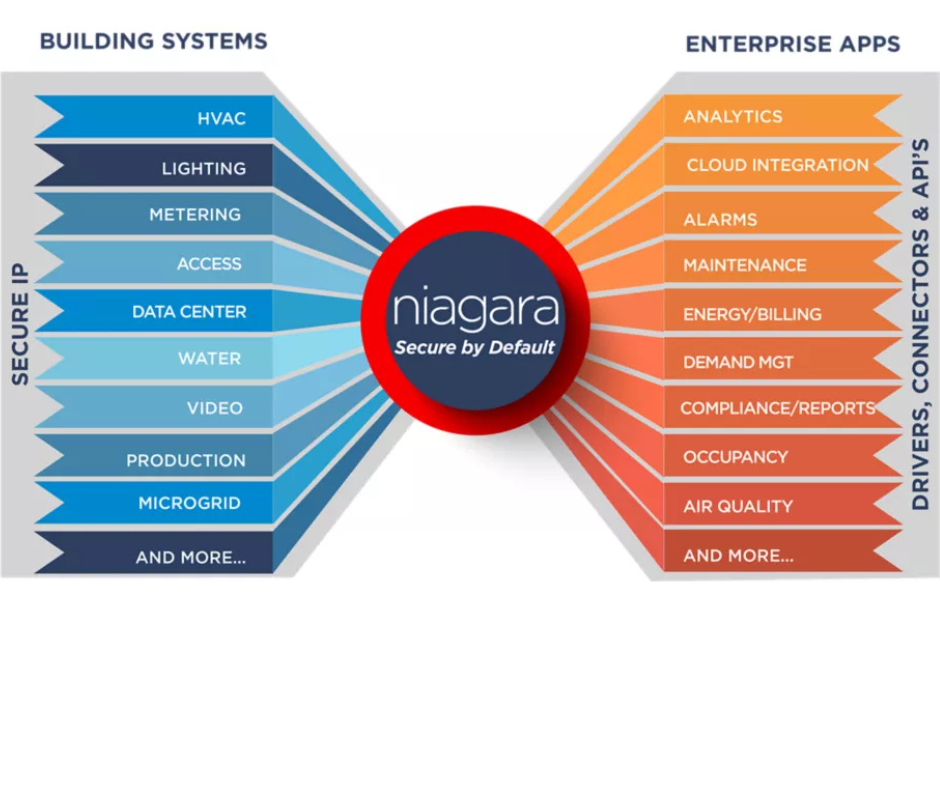
At the same time, buildings became more complex. Owners wanted HVAC, lighting, energy, and security systems to work together. However, closed architectures prevented this vision. Therefore, Tridium set out to create an integration layer. This layer would sit above field devices and unify them.
Alignment with IT Infrastructure
Meanwhile, IP networks became standard in commercial buildings. IT teams demanded secure, manageable systems. Consequently, Niagara adopted IT-friendly principles early. It used Ethernet, TCP/IP, and web technologies. This decision proved critical for long-term adoption.
A Brief History of the Niagara Framework
Early Development and Vision
Tridium introduced the first Niagara Framework in the late 1990s. From the outset, it was built on Java. This allowed the framework to run on multiple platforms. Importantly, it also supported modular expansion. The core idea focused on vendor neutrality and openness.
Expansion Through Industry Licensing
During the early 2000s, major controls manufacturers licensed Niagara. This accelerated adoption across the industry. As a result, Niagara became a common integration backbone. Support for BACnet, LonWorks, and Modbus expanded rapidly. Meanwhile, browser-based graphics replaced proprietary workstations.
The Shift to Niagara 4
Niagara 4 arrived in 2015 with major architectural changes. It introduced stronger security, user authentication, and encryption. Additionally, it moved fully to HTML5 for web access. Since then, Tridium has delivered frequent updates. By 2026, Niagara supports cloud connectivity and modern data schemas.

Niagara’s Layered Architecture
Hardware Platforms
Niagara operates on dedicated hardware and standard servers. These platforms host control logic, data processing, and communications.
JACE Controllers
The Java Application Control Engine, known as the JACE, is fundamental. It provides local supervision and protocol integration. The JACE 9000 represents the latest generation. Released in late 2023, it offers higher processing power and memory. Meanwhile, the JACE 8000 remains widely deployed across existing sites.
Expansion Modules and Edge Controllers
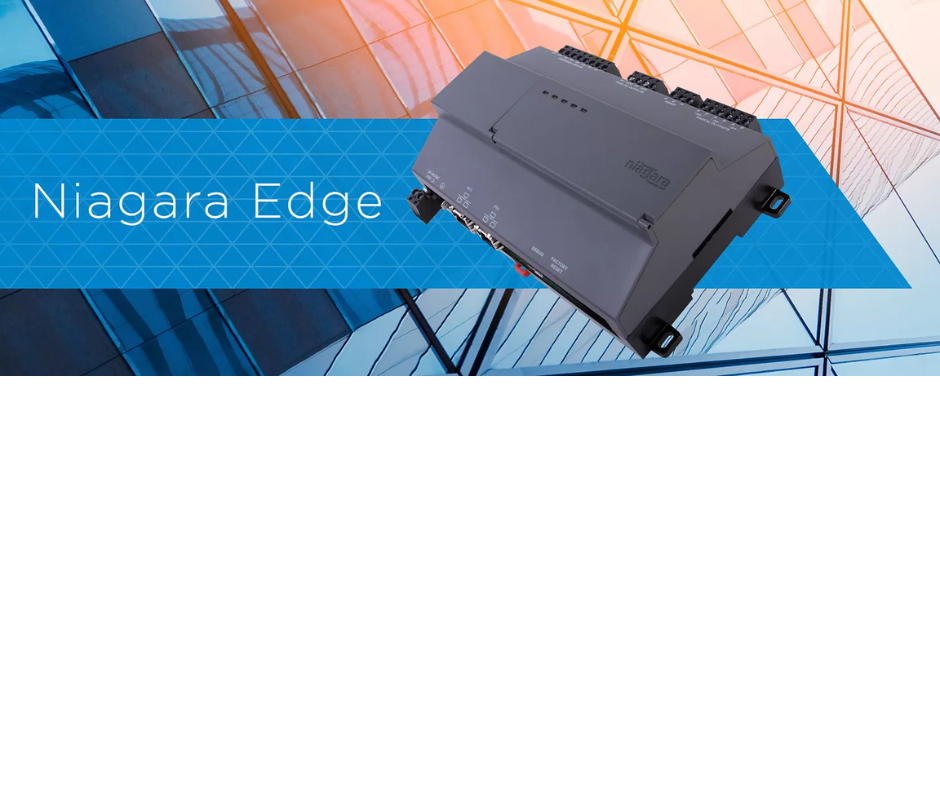
Expansion and I/O modules extend physical connectivity. They add analogue inputs, digital outputs, and specialist ports. Edge controllers, such as the Niagara Edge 10, sit closer to plant equipment. Therefore, control remains resilient during network outages.
Core Software Components
Niagara Station
A Niagara Station forms the runtime environment. It manages the database, control logic, and device communications. Stations run on JACEs or servers. Consequently, they support both local and centralised control strategies.
Niagara Supervisor
The Niagara Supervisor aggregates data from multiple stations. It provides enterprise-level management, trending, and analytics. Therefore, large estates gain a single point of visibility. Supervisors also support user management and global alarming.
Engineering and System Services
Workbench serves as the primary engineering tool. Integrators use it to configure logic, devices, and graphics. Background services run under the Daemon. These services manage system startup, licensing, and module control. Meanwhile, the embedded web server delivers browser-based interfaces.
Logical and Data Handling Components
Components, Palettes, and Wiresheets
Niagara uses an object-oriented approach. Components represent points, services, or logic blocks. Engineers assemble these using palettes and wiresheets. As a result, control strategies remain transparent and maintainable.
Drivers and Core Services
Drivers allow Niagara to communicate with many protocols. These include BACnet, LonWorks, Modbus, MQTT, and SNMP. Core services handle alarming, scheduling, and history logging. Consequently, consistent functionality spans all connected systems.
Data Normalisation and Tagging
Tagging frameworks such as Haystack and Brick provide semantic structure. They describe what data represents, not just where it comes from. Therefore, analytics and applications become easier to deploy. Data reuse also improves significantly.
Communication Protocols and Connectivity
Fox and FoxS Protocols
Niagara uses the Fox protocol for station-to-station communication. It provides secure and efficient data exchange. FoxS adds encryption and authentication. As a result, sensitive operational data remains protected.
Fox over WebSockets
More recently, Tridium introduced Fox over WebSockets. This enhancement improves compatibility with modern IT networks. Firewalls and proxy servers handle traffic more easily. Consequently, deployment friction reduces in enterprise environments.
The Role of Niagara in Reducing Building Costs
Lower Capital and Integration Costs
Niagara allows existing devices to remain in place. It integrates them through software rather than replacement. Therefore, capital expenditure drops significantly. Integration time also reduces, which lowers commissioning costs.
Energy Efficiency and Optimisation
Centralised control improves energy performance. Scheduling ensures systems run only when required. Furthermore, trending highlights inefficiencies quickly. As a result, operators can take corrective action early. Many buildings achieve measurable energy savings.
Reduced Operational Expenditure
Unified systems simplify day-to-day operation. Engineers work within a single platform. Consequently, training requirements decrease. Remote access also reduces site visits. Faults can be diagnosed before occupants notice issues.
Improved Maintenance and Asset Life
Niagara supports condition-based maintenance. Historical data reveals abnormal behaviour patterns. Therefore, maintenance teams intervene before failures occur. This approach extends equipment life and reduces downtime.
Long-Term Flexibility and Future Proofing
Open architecture protects long-term investment. New systems can integrate without major redesign. Moreover, software updates extend functionality over time. Therefore, lifecycle costs remain lower than proprietary alternatives.
Conclusion
The Tridium Niagara Framework emerged from a clear industry need. It addressed fragmentation, inefficiency, and closed systems. Over time, it evolved into a powerful integration platform. By unifying hardware, software, and data, Niagara reduces costs across the building lifecycle. Moreover, it enables smarter and more sustainable buildings. For owners and operators, Niagara remains a practical and future-ready solution.
Here at Automated Control Solutions (ACS) as Niagara vendors, we have been awarded Platinum Status by Tridium for four years running!
We can supply all the components necessary for an Tridium Niagara installation project or building upgrade and supply training as well.
Through our strong system integrator (SI’s) channel, we have a network of installers throughout South Africa, as well as Namibia & Kenya, who have been trained to supply , install and engineer, Tridium Building Management Systems and the related controllers and field devices.
Contact us for more information.