

Water pressure is a core variable in any hydronic HVAC system. Engineers rely on accurate pressure data to manage flow, maintain energy efficiency, and protect equipment. As buildings become more complex, correct pressure measurement grows even more important. Reliable readings ensure pumps operate at the right setpoints, coils achieve design performance, and valves modulate with predictable behaviour. Furthermore, consistent pressure monitoring also reduces commissioning time and supports fault detection.
In many systems, small errors in pressure measurement can lead to oversized pumping, noisy pipework, and wasted energy. Therefore, modern HVAC design depends on devices that provide stable, drift-resistant readings.
Here we explore the technical challenges of wet pressure measurement and provide an introduction to some of Greystone products.
Greystone Energy Systems
Greystone Energy Systems is a long-established North American manufacturer serving the building automation and HVAC sectors for more than thirty years. The company focuses on practical sensing technologies, including humidity, temperature, airflow, and pressure devices. Their pressure portfolio covers both air and liquid systems. Moreover, Greystone products integrate easily with modern BMS platforms through standard analogue outputs. This makes them suitable for consultants, contractors, and integrators who require dependable field devices with solid engineering.
They supply a broad range of pressure transmitters and switches designed for real-world wet environments. Their portfolio supports commercial buildings, district cooling networks, industrial plants, and data centre applications.
Technical Challenges in Wet Pressure Measurement
H3 Sensor Drift
Water pressure sensors often face gradual drift due to ageing, temperature cycling, or diaphragm stress. Although drift can seem minor, its effect compounds over time. For example, a pump setpoint based on a drifting sensor will eventually run outside its design band. Therefore, stable sensor technology is essential.
Water Quality and Contamination
Hydronic circuits may contain rust, scale, glycol mixtures, or chemical inhibitors. These contaminants can damage diaphragms or block impulse lines. Consequently, wet pressure devices must use robust materials such as stainless steel or ceramics to maintain long-term accuracy.
Temperature and Environmental Effects
Pipework temperatures vary significantly, especially in heating circuits. Thermal expansion affects internal components and can alter readings. To counter this, quality transmitters use temperature-compensated electronics.
Installation Constraints
Straight pipe runs, mounting orientation, and access for servicing all influence sensor performance. Furthermore, cramped plantrooms often force installers to mount transmitters in difficult positions. This increases the need for flexible mechanical interfaces and remote sensing options.
Pressure Pulsation and Vibration
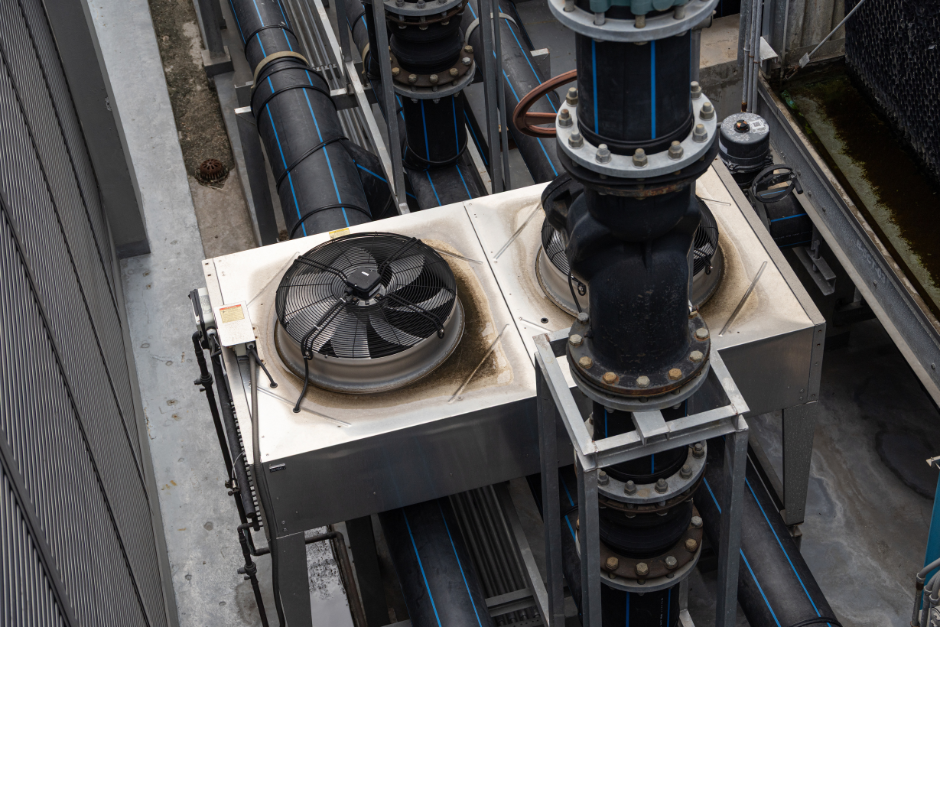
Pumps and control valves generate rapid pressure fluctuations. These can damage sensors if the device lacks internal dampening. Therefore, good transmitter design includes filtering or protective orifice plates.
Greystone Wet Pressure Devices — Overview of the Product Categories
Greystone offers eight wet pressure products, grouped into transmitters, switches, and stand-alone gauges. The full list includes:
- DP Series – Differential Pressure Transmitter
- DP-3VB Series – Differential Pressure Transmitter with Valve Bracket
- GP Series – Gauge Pressure Transmitter
- GLPS-D Series – Differential Liquid Pressure Switch
- GLPS-G Series – Gauge Liquid Pressure Switch
- PWGS Series – Pressure Wet Gauge Stand-Alone
- PWRD Series – Pressure Wet Remote Differential Transmitter
- PWRG Series – Pressure Wet Remote Gauge Transmitter
Part One covers the first four devices. Part Two will examine the remaining four and explore commissioning, maintenance, and future trends.

DP Series – Differential Pressure Transmitter
The DP Series measures the pressure difference between two points in a hydronic system. It uses a diaphragm-based sensing element linked to precision electronics. When pressure on one port rises relative to the other, the diaphragm deflects and produces a proportional electrical signal. This is then sent to the BMS. Engineers use the DP Series across chilled water, heating water, and condenser water systems. Moreover, it is ideal for monitoring pump differential pressure, heat exchanger performance, and filter condition. Because differential readings give direct insight into flow resistance, they support energy-efficient control strategies.
DP-3VB Series – Differential Pressure Transmitter with Valve Bracket
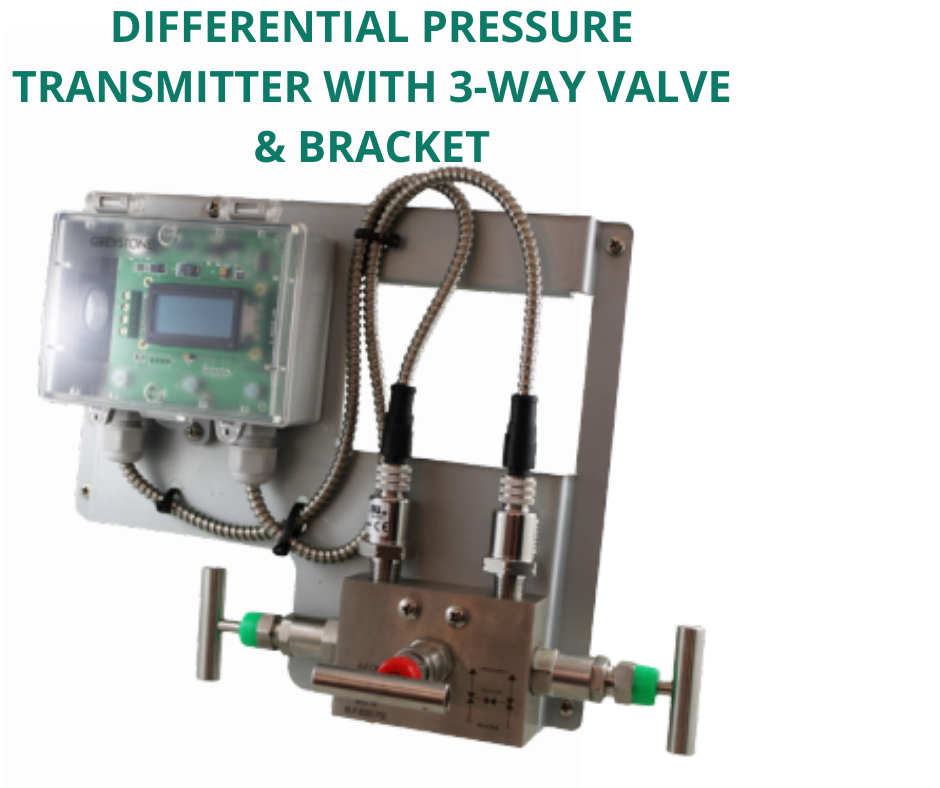
The DP-3VB Series works similarly to the DP Series but includes an integrated three-valve manifold. This assembly simplifies isolation, equalisation, and calibration. As a result, commissioning engineers can balance or zero the transmitter without removing it from service. The included valve block also reduces the need for external plumbing components. Facilities teams use the DP-3VB Series in large hydronic networks, especially where device access is limited. Furthermore, the easy isolation function improves safety when technicians adjust the system.
GP Series – Gauge Pressure Transmitter
The GP Series measures pressure relative to ambient atmospheric pressure. It uses a single-port design with a sealed sensor element. The device converts water pressure into an analogue signal, usually 4–20 mA or 0–10 V. Engineers deploy GP transmitters in domestic water booster sets, condenser water systems, and closed-loop hydronic circuits. Because gauge pressure determines pump discharge and valve operating points, it is vital for stability. Furthermore, the GP Series offers multiple pressure ranges to match system requirements. Its robust construction also ensures reliable performance in demanding plantroom environments.
GLPS-D Series – Differential Liquid Pressure Switch
The GLPS-D Series is a differential switch rather than a transmitter. It provides an on/off output when the pressure difference crosses a set threshold. Internally, a diaphragm mechanism activates a micro-switch once the differential pressure reaches the chosen level. Because the device offers simple control logic, it is often used for pump protection or flow confirmation. For example, many designers use differential switches to verify that a pump has established flow before the boiler or chiller fires. Additionally, the GLPS-D Series suits safety interlocks, because mechanical switches offer predictable behaviour even during power outages.
Next month, we will be looking at the remaining four products from Greystone Energy systems:
- GLPS-G Series – Gauge Liquid Pressure Switch
- PWGS Series – Pressure Wet Gauge Stand-Alone
- PWRD Series – Pressure Wet Remote Differential Transmitter
- PWRG Series – Pressure Wet Remote Gauge Transmitter
These products along with all the products we supply have been sourced from best in class, world renowned suppliers of HVAC equipment and building management systems. Contact us to see how we can assist you with your HVAC and BMS products.